A Life in Performance: From Stage to Screen
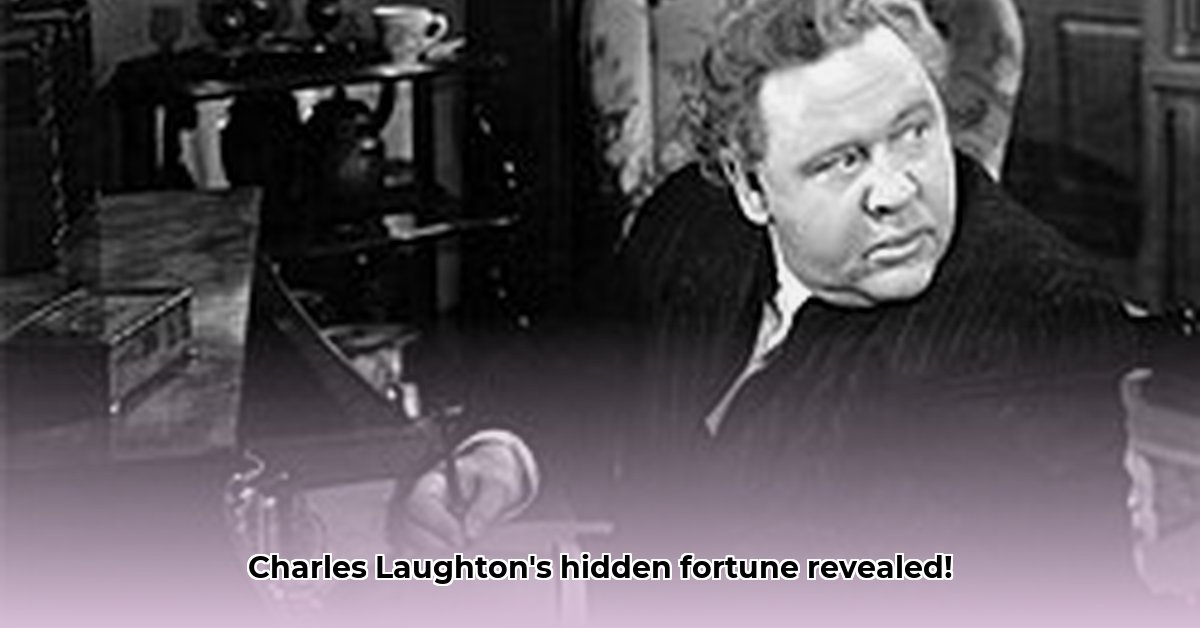
Charles Laughton. The name itself evokes images of towering presence, guttural voice, and unforgettable performances. He wasn't merely an actor; he was a transformative force, inhabiting roles with a depth and intensity that redefined screen acting. But beyond the mesmerizing performances and critical acclaim, what was the extent of Charles Laughton's financial success? Estimates place his net worth, adjusted for inflation, at approximately $10 million—a considerable sum reflecting a career spanning stage triumphs and Hollywood's golden age. However, the true measure of Laughton's success transcends mere monetary value; it lies in his lasting impact on cinema and the enduring power of his artistry.
His journey began not in the dazzling lights of Hollywood, but in the rigorous training of the Royal Academy of Dramatic Art. There, he honed his craft, mastering the subtle nuances and explosive power that would become his signature. His early stage work, punctuated by mesmerising portrayals showcasing both subtle nuances and explosive outbursts, laid the foundation for his future success. His talent commanded attention, and eventually, high fees. This early success didn't merely fill his pockets; it provided the crucial experience to navigate the complexities of the Hollywood system. For more on the financial success of actors, see this actor net worth site.
The transition to Hollywood was inevitable. His reputation preceded him, opening doors to roles that cemented his legendary status. He rapidly became one of cinema's highest-paid actors, a testament to his unparalleled skill and the immense demand for his unique talent. His collaboration with Alexander Korda, a pivotal moment in his career, further propelled him to greater heights of fame and fortune. Laughton effortlessly transitioned between roles, equally captivating as a regal monarch or a grotesque villain. This versatility—this ability to embody the most diverse of characters with breathtaking authenticity—was a key ingredient in his box-office appeal and a significant contributor to his considerable wealth. He wasn't just an actor: he was a box-office draw, a bankable star whose presence guaranteed both critical and financial success for the studios.
But Laughton's ambition extended beyond the realm of acting. His innate creative drive led him to explore directing, culminating in The Night of the Hunter, a film initially met with mixed reviews but now recognized as a cinematic masterpiece. While directing may have yielded less financial reward than his acting roles, this diversification showcased a different facet of his genius, ultimately adding to his overall net worth and cementing his position as a true auteur.
It's crucial to remember that translating historical net worth into modern figures necessitates adjustments for inflation. This estimated $10 million represents a significant sum, reflecting not only his substantial income but also the enduring appeal and continued value of his films. His work remains a subject of ongoing appreciation and scholarly study, ensuring his influence extends well beyond his lifetime.
Beyond acting and directing fees, Laughton's financial acumen likely played a significant role. While specifics regarding his investments remain elusive, speculation suggests shrewd investments in property or other ventures further augmented his wealth. However, detailed financial records from that era are often scarce, making precise accounting challenging. Further research into this lesser-known area of his life might reveal further details, though current information is limited.
Yet, the true measure of Charles Laughton's success lies not solely in the size of his fortune, but in his artistic legacy. He inspired generations of actors, his influence echoing in the styles and techniques of countless performers who followed. Daniel Day-Lewis, himself a cinematic giant, considered Laughton to be possibly the greatest actor he ever knew. Such accolades are far more valuable than any monetary sum, demonstrating the profound respect and enduring reverence for his unparalleled talent.
The Interplay of Art and Commerce: Laughton's Artistic Choices
How did Laughton's considerable wealth influence his artistic choices? Did it grant him greater creative freedom, or did it inadvertently shape his career in unforeseen ways? The answer is complex and nuanced.
His financial success undeniably provided a measure of independence. He could, to some extent, choose roles aligning with his artistic vision rather than solely focusing on commercial viability. The decision to direct, a financially risky endeavor, was likely made feasible by his accumulated wealth.
Yet, financial security isn’t a guarantee of artistic triumph. Even with the resources, Laughton faced both critical and commercial setbacks. While a box-office disappointment didn't translate into financial ruin, it likely influenced subsequent choices. Directing brought its own challenges: securing funding, balancing artistic vision with studio expectations—all required careful financial planning and resource allocation.
Ultimately, Charles Laughton's legacy is a unique blend of extraordinary talent and significant wealth. His financial success undoubtedly played a role, providing a cushion that enabled him to pursue projects otherwise out of reach. While the precise impact remains open to interpretation, his enduring contribution to cinema remains undeniable, a powerful testament to his artistry, ambition, and the successful blending of passion and resources.
Key Takeaways:
- Laughton's considerable net worth stemmed largely from his prolific and highly successful acting career.
- This financial success facilitated his transition into directing, offering artistic freedom that might otherwise have been unattainable.
- Despite wealth, the inherent risks and challenges of the film industry remained.
- His enduring legacy is a testament to both his immense talent and his astute financial management.